
Is hormone therapy "natural"?

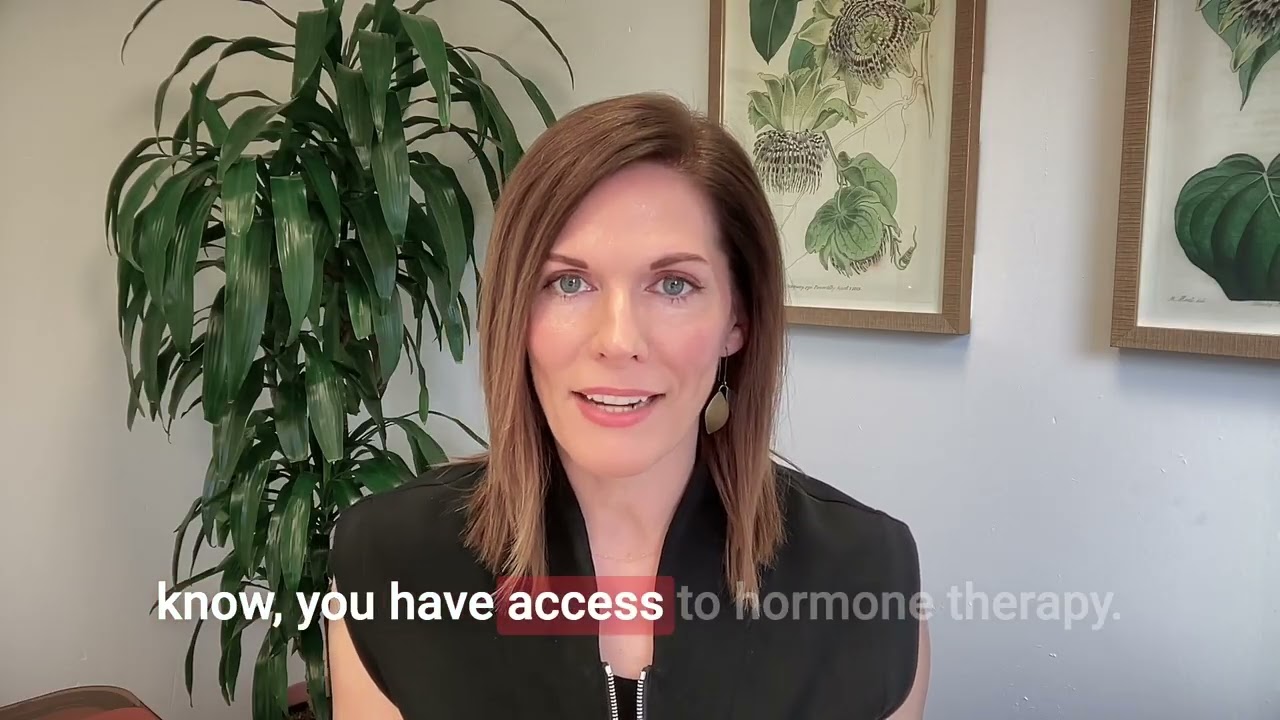
In my practice, I see a lot of patients who have never taken a prescription medication in their lives. They've eaten well, stayed active, and done everything "right." So when the topic of hormone therapy comes up, they often feel a deep sense of conflict — as though choosing hormonal support would somehow undo a lifetime of natural living.
I understand that feeling. But I also think we need to reframe the conversation entirely.
We are outliving our ovaries
Here's the reality: women today are living longer than at any point in human history. Historically, women died of childbirth complications, infection, or injury long before they had the chance to spend decades in menopause. That's no longer true. We've effectively outlived our ovaries — and that's worth taking seriously.
We treat ovaries differently than other organs
I'm 46 years old, and my eyesight is terrible. I wear glasses and contact lenses every day — neither of which is remotely "natural." Should I refuse them because my body was never designed for corrective lenses? Of course not. If I need a knee replacement down the road, no one will tell me to just suffer through the pain because surgery isn't natural.
So why do we treat ovarian function differently from every other organ system?
A double standard worth naming
Men who are outliving their testes' ability to produce testosterone can access testosterone therapy with relatively little friction. It's accepted, encouraged, and viewed as a reasonable quality-of-life intervention. Women in menopause, on the other hand, are often made to feel as though wanting hormonal support is somehow cheating, vain, or medically unnecessary.
That double standard doesn't hold up. Estrogen protects bones. It supports brain health. It matters for cardiovascular function — and cardiovascular disease is the number one cause of death in women. If a small amount of a hormone that your body was naturally producing can help protect those systems, why would we withhold it?
You don't have to wait until you're suffering
One of the most persistent myths I encounter is the idea that hormone therapy is only appropriate once symptoms become debilitating. That you need to be lying on the floor with crushing fatigue, unable to think clearly, convinced you might have early dementia — only then does it become "bad enough" to warrant a conversation about hormones.
That's not how we approach other areas of preventive health. We don't wait for someone to have a heart attack before addressing cholesterol. We don't wait for a fracture to talk about bone density. Why should hormones be any different?
Hormone therapy is not one-size-fits-all
It's also worth saying: hormone therapy looks very different for different women. For some, it's localized vaginal estrogen to address recurrent UTIs. For others, it's systemic estrogen alone. Some perimenopausal women have excellent estrogen levels but very low testosterone — and testosterone alone may be what's appropriate. The approach is individualized, the options are numerous, and the conversation is worth having.
And of course, hormone therapy isn't the right fit for everyone — there are women who choose not to pursue it for any number of valid reasons, and that's completely fine. The goal isn't to push hormones on anyone. The goal is to make sure no one is suffering in silence because they believe they have to earn the conversation.
Start with a conversation
If you've been wondering whether hormone therapy might be right for you, the most important thing you can do is talk to a knowledgeable provider — ideally one who is up to date on the current evidence and who will take your concerns seriously. You are allowed to be proactive. You are allowed to prioritize your quality of life. And you are absolutely allowed to ask for support before things get worse.
Living a long and healthy life is the goal. Let's make sure that life is actually worth living.